Category: Uncategorized

  • Finance Insights: Shriram Finance, Muthoot Finance & Ujjivan Small Finance Bank

    Finance Insights: Shriram Finance, Muthoot Finance & Ujjivan Small Finance Bank

    Introduction

    India’s financial services sector has been a cornerstone of economic growth, particularly through Non-Banking Financial Companies (NBFCs) and Small Finance Banks (SFBs). These institutions play a pivotal role in extending credit to underserved segments, including small businesses, rural borrowers, and low-income households. As of March 2026, the sector is witnessing robust recovery post-pandemic, fueled by digital adoption, regulatory reforms by the Reserve Bank of India (RBI), and rising investor confidence. Key players like Shriram Finance, Muthoot Finance, and Ujjivan Small Finance Bank exemplify this dynamism, each specializing in niche lending while navigating market volatilities.

    This article delves into the latest share prices, financial performance, strategic initiatives, and market outlooks for these entities. Drawing from real-time data as of March 7, 2026 (with closing prices from March 6, 2026, for NSE-listed stocks), we explore how these companies are faring amid fluctuating interest rates, gold price surges, and economic expansions. Shriram Finance leads in commercial vehicle financing, Muthoot dominates gold loans, and Ujjivan focuses on microfinance for women-led enterprises. Together, they represent over ₹2 lakh crore in market capitalization, underscoring their significance.

    Shriram Finance: The Backbone of Commercial Lending

    Shriram Finance Limited, formerly known as Shriram Transport Finance, has evolved into a diversified NBFC powerhouse since its inception in 1979. Headquartered in Chennai, the company primarily caters to the transportation and SME sectors, offering vehicle loans, working capital, and housing finance. As India’s largest retail NBFC by assets under management (AUM)—exceeding ₹2.5 lakh crore as of Q3 FY26—Shriram has built a reputation for deep penetration in tier-2 and tier-3 cities.

    Latest Share Price and Market Performance

    On March 6, 2026, Shriram Finance’s shares closed at ₹1,010.70 on the National Stock Exchange (NSE), marking a 2.77% decline from the previous close of ₹1,039.50. The stock opened at ₹1,043.90 and traded within a day’s range of ₹935.60 to ₹1,143.40, reflecting high volatility amid broader market corrections. Over the past 52 weeks, the scrip has ranged from ₹566 to ₹1,108, delivering a year-to-date (YTD) return of approximately 56.4%. With a market capitalization of ₹1,89,564 crore, Shriram trades at a price-to-earnings (P/E) ratio of 20.7 and a price-to-book (P/B) value of 3.13, indicating premium valuation driven by steady growth.

    The 20-day average volume stands at over 8 million shares, with the latest session witnessing 8.16 million trades. Investors are eyeing the stock for its dividend yield of 0.98% and return on capital employed (ROCE) of 11.0%. However, recent dips are attributed to RBI’s hawkish stance on repo rates, impacting borrowing costs for asset-heavy lenders like Shriram.

    Financial Highlights and Recent Developments

    Shriram’s Q3 FY26 results, announced in January 2026, surpassed expectations with a net profit of ₹2,147 crore, up 20% year-over-year (YoY), bolstered by a 15% expansion in AUM to ₹2.6 lakh crore. Net interest income (NII) grew 18% to ₹5,200 crore, supported by a net interest margin (NIM) of 7.2%. Asset quality improved, with gross non-performing assets (GNPA) dipping to 2.8% from 3.5% in the prior quarter, thanks to proactive collections and digital underwriting tools.

    Revenue for the December 2025 quarter hit ₹12,192 crore, a 13.9% YoY increase, while annual revenue for FY25 stood at ₹47,074 crore. The company’s diversified portfolio—60% commercial vehicles, 20% passenger vehicles, and 20% others—mitigated risks from sector-specific slowdowns. Cash and equivalents surged 77.63% to ₹10,681 crore, enhancing liquidity amid net cash flow of ₹4,668 crore.

    Strategically, Shriram launched “Shriram One” in February 2026, a unified digital platform integrating loans, insurance, and payments, aiming to onboard 5 million new customers by FY27. Partnerships with fintechs like Paytm have boosted disbursements by 25% in rural markets. Analysts from ICICI Securities maintain a “Buy” rating with a target of ₹1,200, citing resilient earnings despite gold price fluctuations indirectly affecting transport demand.

    Challenges persist, including regulatory scrutiny on co-lending models and competition from banks. Yet, with India’s infrastructure push via ₹11 lakh crore capex in Budget 2026, Shriram’s focus on CV financing positions it for 20% AUM growth in FY27.

    Muthoot Finance: Gold Loans as Economic Barometer

    Muthoot Finance Limited, established in 1939 and listed since 2011, is synonymous with gold loans in India. As the country’s largest gold financier by loan book—over ₹1 lakh crore—the Kochi-based NBFC serves 1 crore+ customers through 4,500+ branches. Its model thrives on collateralized lending, offering quick disbursals at competitive rates, making it a lifeline during economic uncertainties.

    Latest Share Price and Market Performance

    Muthoot’s shares closed at ₹3,265.80 on NSE on March 5, 2026 (latest available), down 2.22% from ₹3,339.90, with intraday highs of ₹3,305.40. The stock’s 52-week range is ₹1,200 to ₹3,500, yielding a stellar 150% return over the past year, outpacing the Nifty Financial Services index by 40%. Market cap hovers at ₹1.3 lakh crore, with a P/E of 18.5 and dividend payout of 22.1%, appealing to income-focused investors.

    Trading volume averaged 5.6 lakh shares daily, with recent sessions spiking due to gold price rallies. YTD performance is up 25%, driven by festive season disbursals, though Q4 corrections loom from global commodity dips.

    Financial Highlights and Recent Developments

    Q3 FY26 was a blockbuster for Muthoot, with net profit leaping 88% YoY to ₹2,345 crore on the back of a 42% loan book expansion to ₹1.05 lakh crore. NII surged 35% to ₹2,800 crore, with NIM at 8.5%, benefiting from 26% higher gold loan yields amid soaring metal prices (gold at ₹75,000/10g in Dec 2025). GNPA improved to 1.2%, the lowest in five quarters, reflecting stringent appraisals.

    Annual FY25 revenue reached ₹15,000 crore, with profit at ₹3,500 crore. The company raised ₹5,000 crore via NCDs in Q2, bolstering a debt-to-equity ratio of 2.5. Diversification efforts include microfinance (10% of portfolio) and vehicle loans, reducing gold dependency to 85%.

    In news, Muthoot’s Q3 earnings call highlighted record disbursals of ₹25,000 crore, up 50% YoY, amid rural revival. A 12% share dip post-Q3 was short-lived, rebounding on RBI’s gold loan recategorization norms easing compliance burdens. Expansion into Tier-3 towns via 200 new branches targets 15% market share growth. Reuters notes a 26% Q2 profit rise, with analysts forecasting ₹4,000 target price.

    Risks include gold volatility and competition from peers like Manappuram. Nonetheless, with India’s gold import duties slashed in Budget 2026, Muthoot eyes 30% profit CAGR through FY28.

    Ujjivan Small Finance Bank: Empowering Micro-Entrepreneurs

    Ujjivan Small Finance Bank, converted from an NBFC in 2017, targets financial inclusion for women and underserved communities. With 800+ branches across 26 states, it specializes in microloans, housing, and vehicle finance, boasting a 90% women borrower base. As a scheduled SFB, Ujjivan blends banking stability with NBFC agility.

    Latest Share Price and Market Performance

    Ujjivan’s NSE close on March 6, 2026, was ₹55.71, a marginal 0.25% drop from ₹55.85, with volumes at 10.16 million shares. The 52-week high/low is ₹67.02/₹44.68, delivering 64.83% one-year returns and 113% over three years. Market cap: ₹10,842 crore; P/E: 22; YTD up 5.42%. VWAP at ₹56.47 signals undervaluation, with 20-day average volume of 13.4 million.

    The stock’s resilience stems from strong Q3 momentum, though sensitive to credit cycle shifts.

    Financial Highlights and Recent Developments

    Q3 FY26 shone with record NII of ₹1,000 crore (up 25% YoY) and 71% profit jump to ₹186 crore, driven by 20% deposit growth to ₹25,000 crore. Loan book expanded 18% to ₹28,000 crore, with NIM at 9.1% and GNPA at 2.1%. FY25 revenue: ₹6,626 crore; profit: ₹494 crore.

    Balance sheet size hit ₹33,317 crore in FY23 (latest detailed), with disbursals at ₹20,037 crore. Digital initiatives like Ujjivan’s app processed 40% loans in Q3. News highlights include a “Strong Buy” rating with ₹71.56 target.

    Challenges: Low interest coverage, but RBI’s priority sector lending push aids growth. Outlook: 25% AUM CAGR.

    Comparative Analysis and Future Outlook

    MetricShriram FinanceMuthoot FinanceUjjivan SFB
    Share Price (Mar 6/5)₹1,010.70₹3,265.80₹55.71
    Market Cap (₹ Cr)1,89,5641,30,00010,842
    Q3 Profit Growth (YoY)20%88%71%
    NIM (%)7.28.59.1
    GNPA (%)2.81.22.1
    1-Year Return (%)56.415064.83

    Shriram excels in scale, Muthoot in margins, Ujjivan in inclusion. Sector tailwinds: 7% GDP growth, digital RBI mandates. Risks: Rate hikes, NPAs.

    In conclusion, these firms embody India’s financial democratization. Investors should monitor Q4 earnings for sustained momentum. For deeper dives, visit NSE India or Yahoo Finance.


  • Tech Stocks Spotlight: Zen Technologies, DXC Technology & Tata Technologies

    Tech Stocks Spotlight: Zen Technologies, DXC Technology & Tata Technologies

    The technology sector remains a cornerstone of global investment in 2026, with companies driving innovation in defense simulation, IT services, and engineering solutions capturing significant attention. Keywords such as zen technology share price, dxc technology, and tata technology share price highlight three distinct players: Zen Technologies (defense training tech), DXC Technology (global IT services), and Tata Technologies (product engineering). As of March 7, 2026 (around 3:05 PM IST in Jaipur), these stocks reflect diverse trajectories amid economic shifts, AI adoption, and sector-specific demands. This 1510-word article provides updated insights into their performances, business models, recent developments, and investment considerations.

    Zen Technologies: Defense Tech Leader with Strong Momentum

    Zen technology share price has shown resilience and growth in early 2026, trading around ₹1,426.80 on NSE as of March 6 close (up 1.55% from ₹1,405.10). Intraday highs reached ₹1,439.80 recently, with volumes spiking to over 3 million shares on volatile days. The stock’s 52-week range spans ₹984 to ₹2,268, indicating high volatility but strong recovery from lows.

    Zen Technologies Limited specializes in combat training simulators, anti-drone systems, and live-fire solutions for armed forces. Its portfolio includes virtual, constructive, and live training systems, serving Indian defense and international clients. Recent highlights include securing major contracts from the Ministry of Defence and achieving high Dun & Bradstreet ratings (5A1 in February 2026).

    Q3 FY26 (ended Dec 2025) showed consolidated net sales up 16.83% YoY to ₹177.82 crore, though standalone dipped slightly. Analysts like Choice Institutional Equities maintain “Buy” ratings with targets around ₹2,150, citing defense spending growth in India. The P/E ratio hovers at ~49, reflecting premium valuation for growth potential in simulation tech amid geopolitical tensions.

    For investors, Zen offers exposure to India’s “Make in India” defense push. Risks include order dependency and competition from global players. As of March 2026, the market cap stands at ~₹12,883 crore, positioning it as a mid-cap defense tech star.

    Defense innovation drives Zen’s appeal in volatile markets.

    DXC Technology: IT Services Giant Navigating Transformation

    DXC technology (NYSE: DXC) operates in a challenging IT landscape but shows signs of stabilization in 2026. As of March 6 close, the stock price settled at $12.95 (up from recent lows), with a day’s range of $12.45-$13.39 and volume around 2-3 million shares. The 52-week range is $11.61-$18.90, reflecting pressure from legacy contracts and competition.

    DXC provides end-to-end IT services, including cloud migration, analytics, security, and AI-driven solutions to Fortune 500 clients. It emphasizes dual-track AI strategies—modernizing legacy systems while monetizing new AI capabilities. Recent moves include launching a London Customer Experience Center (February 2026) to showcase AI value and presenting at the Morgan Stanley TMT Conference.

    Q3 FY26 results (announced January 2026) highlighted AI pivot efforts amid revenue drags from divestitures. Analysts note turnaround execution, with some upgrades to “Buy” (e.g., Wall Street Zen in March 2026) and price targets raised to $17. Market cap is ~$2.2-2.25 billion, with P/E around levels tied to EPS of $2.30 (TTM).

    Challenges persist: debt management and slow growth in traditional services. However, AI focus positions DXC for recovery in enterprise tech spending. For global investors, it’s a value play with upside from efficiency gains.

    IT transformation stories like DXC’s highlight sector evolution.

    Tata Technologies: Engineering Powerhouse in Tata Fold

    Tata technology share price trades steadily around ₹576.50 on NSE (as of March 6 close, up 0.07% from ₹576.10), with intraday highs near ₹585 and volumes averaging 500K-1M shares. The 52-week range is ₹567-₹797, showing consolidation after highs.

    Tata Technologies Limited (a Tata Group company) excels in product development and digital engineering services for automotive, aerospace, and industrial sectors. It offers PLM (Product Lifecycle Management), embedded systems, and EV-related solutions, partnering with global OEMs like Airbus and Jaguar Land Rover.

    In 2026, the stock reflects steady performance with market cap ~₹23,405 crore and P/E ~44. Recent trading shows minor fluctuations amid broader market sentiment, with low of ₹567 in early March. No major negative news; focus remains on EV and digital transformation growth.

    Analysts view it positively for long-term engineering demand, though near-term pressures from auto slowdowns exist. As a Tata entity, it benefits from group synergies and strong governance.

    Engineering excellence underpins Tata Technologies’ stable outlook.

    Comparative Analysis and Investment Outlook in 2026

    These three stocks represent varied tech sub-sectors: Zen in niche defense simulation (high growth, volatility), DXC in broad IT services (value turnaround), and Tata Technologies in engineering (steady Tata-backed play).

    • Performance Snapshot (March 2026): Zen up ~1.5% recently with strong defense tailwinds; DXC volatile around $13 with AI pivot hopes; Tata Tech flat-to-positive in mid-₹570s amid consolidation.
    • Key Drivers: India’s defense budget boosts Zen; global AI adoption aids DXC; EV/digital engineering supports Tata Tech.
    • Risks: Geopolitical/order risks for Zen; legacy drag for DXC; cyclical auto exposure for Tata Tech.
    • Valuation Insights: Zen’s higher P/E reflects growth premium; DXC trades at discount; Tata Tech balanced.

    For diversified portfolios, blend them: Zen for aggressive growth, DXC for value, Tata Tech for stability. Always consider market conditions—interest rates, tech spending, and India-specific policies.

    Tech investment trends favor innovation-driven names in 2026.

    Conclusion: Tech Stocks in Focus for Savvy Investors

    From zen technology share price momentum in defense to dxc technology‘s AI-driven recovery and tata technology share price‘s reliable engineering base, these companies embody tech’s dynamic landscape. As of March 7, 2026, Zen leads in upside potential, DXC offers contrarian appeal, and Tata Tech provides defensive exposure.

    Monitor earnings, contracts, and macro trends closely. Whether in Jaipur or globally, informed decisions in tech stocks can yield strong returns in this evolving sector.

    Future opportunities abound—research thoroughly and invest wisely!

  • Fashion Deals with Filatex Fashions, Meesho & Savana

    Fashion Deals with Filatex Fashions, Meesho & Savana

    The vibrant world of online fashion and affordable shopping in India continues to thrive in March 2026, especially in bustling cities like Jaipur where consumers seek trendy, budget-friendly apparel amid rising living costs and festive preparations. Keywords like Filatex Fashions, Meesho online shopping today offer, and Savana online shopping capture this dynamic ecosystem: established textile players supplying quality fabrics and socks, social commerce giants delivering daily deals on everything from kurtis to western wear, and emerging international-inspired platforms offering trend-driven dresses and outfits.

    As of March 7, 2026, at around 3 PM IST, India’s e-commerce fashion segment sees explosive growth through reselling models, flash sales, and direct-to-consumer brands. Shoppers in Rajasthan prioritize value-for-money ethnic and fusion wear, with platforms emphasizing free shipping, easy returns, and massive discounts. This article delves into these interconnected elements with the latest updates, exploring company performances, current promotions, platform features, and tips for smart shopping in Jaipur’s competitive market.

    Filatex Fashions: A Textile Stalwart in the Modern Market

    Filatex Fashions Limited (NSE: FILATFASH), incorporated in 1994 and headquartered in Hyderabad, remains a key player in India’s hosiery and knitwear sector. Primarily manufacturing and selling knitted socks, the company leverages advanced technology like infrared setting machines and has built a reputation for supplying to global brands such as FILA, Adidas, Marks & Spencer, and Walt Disney. Its in-house brands, Tuscano (luxury handlinked seam socks) and Smart Man (casual and business wear), target premium segments with high-quality yarns and trendy designs.

    Recent 2026 updates show ongoing corporate activity. In late February, Filatex appointed Mrs. Divya Agarwal as Company Secretary and Compliance Officer effective February 26, strengthening governance. Board meetings in February addressed unaudited financial results for Q3 ending December 2025. Stock performance reflects volatility: as of early March 2026, shares traded around ₹0.19-0.22, with high volumes (e.g., over 169 million on March 6) amid bearish sentiment but occasional spikes. Revenue trends from prior quarters indicate fluctuations—standalone September 2025 sales dipped 33.55% YoY to ₹23.48 crore, while earlier June 2025 showed 73.74% growth consolidated.

    Filatex’s role in the broader fashion supply chain is vital. Its socks and knitwear often feature in affordable online assortments, including those resold on platforms like Meesho. For Jaipur buyers seeking durable basics or bulk purchases, Filatex-backed products offer reliability at low prices, aligning with the city’s love for value-driven ethnic and casual wear. The company’s CRISIL rating and ISO certifications underscore quality, making it a trusted upstream supplier in India’s booming online textile resale market.

    Meesho Online Shopping Today Offers: Daily Deals Driving Mass Appeal

    Meesho stands as India’s leading social commerce app, empowering resellers (especially women entrepreneurs) to share products via WhatsApp, Facebook, and Instagram for commissions. In March 2026, Meesho dominates “today offers” with aggressive promotions, making it a go-to for budget shoppers in Jaipur hunting kurtis, sarees, western outfits, beauty items, home essentials, and electronics.

    Current highlights include the ongoing Mega Blockbuster Sale, promising up to 80-90% off sitewide across fashion, beauty, and more. Verified coupons deliver 35% off first orders, up to 80% on women’s wear, 90% on beauty/personal care, and BOGO deals on select items. Flash sales every few hours feature limited-time drops, with free shipping and easy returns enhancing appeal. Trending categories: ethnic wear (kurtis under ₹300), jewellery sets, and home decor during pre-festive buzz.

    Meesho’s model thrives on zero-commission for sellers in many cases, low MOQs, and hyper-local delivery, resonating in Rajasthan where small-town resellers thrive. Shoppers report fast delivery (often 3-7 days), COD options, and viral finds like affordable co-ords or viral dresses. For today’s shopping in Jaipur, check the app’s “Offer Store” for real-time deals—perfect for quick grabs during lunch breaks or evening scrolls.

    Compared to competitors, Meesho excels in affordability and community-driven discovery, with millions of daily active users fueling its growth.

    Savana Online Shopping: Trendy, London-Inspired Fashion at Accessible Prices

    Savana (savana.com), positioning itself as “Fashion from London,” brings international trends to Indian wardrobes with dresses, knitwear, denim, sports, swimwear, and cocktail pieces. Launched as a direct-to-consumer brand (with ties to Urbanic influences), it targets young women seeking Pinterest-worthy, social-media-inspired looks like backless A-line dresses, shimmer cocktails, and knotted styles priced from ₹1,000-₹2,500.

    In 2026, Savana emphasizes empowerment through trendy, versatile clothing for “all the ways you love to dress.” The app and website feature seamless browsing, with collections updated for seasonal vibes—think summer-ready light fabrics or party wear. Customer reviews highlight premium quality, diverse ranges, and easy navigation, though some note return service challenges in isolated cases.

    Savana differentiates with global aesthetic appeal, often compared favorably to pricier fast-fashion but at budget prices. For Jaipur shoppers, it offers fusion options blending western cuts with Indian sensibilities, ideal for college-goers or working professionals. Mid-year mega sales (as seen in recent hauls) deliver massive discounts on co-ord sets, tops, bags, and dresses, making it competitive with Meesho’s volume deals.

    Comparisons show Savana’s edge in statement pieces versus Meesho’s everyday essentials, with some users spotting similar designs across platforms but varying quality/price points.

    Connecting the Dots: How These Brands Fuel Jaipur’s Fashion Ecosystem

    In Jaipur’s vibrant market, these elements interconnect seamlessly. Filatex Fashions supplies foundational knitwear that may appear in resold Meesho listings as affordable socks or basics. Meesho aggregates diverse suppliers, including potential Filatex-linked items, offering daily deals that undercut traditional bazaars like Johri or Tripolia. Savana adds aspirational flair, with trendy dresses complementing Meesho’s ethnic-heavy inventory for complete wardrobes.

    For savvy shoppers:

    • Start with Meesho for budget hauls and today offers—use coupons for extra savings.
    • Explore Savana for standout pieces during sales.
    • Trust Filatex-backed quality for durable basics.

    Tips: Compare sizes (Indian vs. international), read reviews, opt for COD, and track flash sales via apps. Sustainability note: Choose platforms promoting ethical sourcing.

    The Future of Affordable Fashion Shopping

    As March 2026 unfolds, India’s online fashion scene—powered by players like Filatex Fashions for supply, Meesho for accessible deals, and Savana for trendy inspiration—empowers consumers like never before. In Jaipur, where tradition meets modernity, these platforms democratize style, offering endless options at pocket-friendly prices.

    Whether grabbing a daily Meesho offer, browsing Savana’s latest drop, or appreciating Filatex’s textile legacy, smart shopping enhances everyday life. Dive in, shop wisely, and elevate your wardrobe affordably.

    Discover more fashion trends today. Stay updated with prime insights. Catch the buzz on shopping deals. Follow trend updates in style. Get urban tips for Jaipur shoppers. Join the vibe of online fashion. Read blogs on e-commerce. Find your guide to great buys. Gain world insights into trends. Start mornings stylishly. Embrace true life fashion. Find small joys in shopping. See bright hubs of offers. Enjoy simple stories of style.

  • Smart Travel Gear & Tech with RateGain Travel Technologies in 2026

    Smart Travel Gear & Tech with RateGain Travel Technologies in 2026

    In the bustling world of travel in 2026, selecting the right gear can transform any journey from stressful to seamless. Whether you’re packing for a domestic getaway in Rajasthan or an international adventure, travel bags remain the unsung heroes of every trip. This year, trends lean toward lightweight, durable, and smart designs that cater to the evolving needs of modern travelers. Complementing this are key players in the industry: agencies like Dolphin Travel House offering personalized booking services, and tech innovators such as RateGain Travel Technologies powering the backend with cutting-edge solutions. As India’s outbound tourism surges and domestic exploration booms, understanding these elements helps savvy travelers make informed choices.

    The Evolution of Travel Bags in 2026: Trends and Top Picks

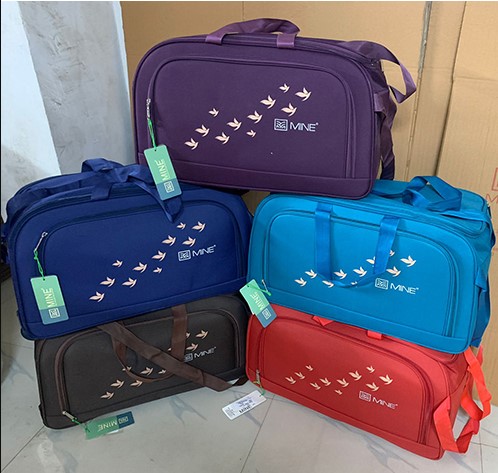
    Travel bags have evolved dramatically by 2026, driven by sustainability, functionality, and tech integration. Lightweight materials dominate, with many top-rated suitcases weighing under 5 pounds to maximize airline allowances. Samsonite’s Proxis Global Carry-On Spinner stands out as a bestseller, tipping the scales at just 4.6 pounds while featuring aerospace-grade materials for unmatched durability and smooth 360-degree spinners.

    Hardside options from brands like Away and Rimowa emphasize impact resistance and sleek aesthetics, ideal for frequent flyers. The Away Bigger Carry-On + Medium Bundle earns praise for its expandable design and built-in compression systems, perfect for over-packers heading to multi-destination trips. For eco-conscious travelers, Patagonia’s Black Hole Duffel (70 liters) leads in versatility—waterproof, rugged, and made from recycled fabrics—making it a favorite for adventure seekers.

    Duffel bags see a resurgence for weekend retreats. Peak Design’s Travel Duffel (35 liters) offers modular organization with quick-access pockets, while Cotopaxi’s Allpa series ranks high for vibrant, ethical production and packability. InStyle’s 2026 roundup highlights Dagne Dover’s Landon Carryall as an editor favorite for its neoprene construction, which resists water and organizes essentials like sneakers and tech gadgets effortlessly.

    Trends for 2026 include oversized totes for “ludicrously capacious” carry, security-chic crossbodies with RFID protection, and packable spares from Matador for emergencies. In India, where domestic travel surges per Agoda’s 2026 Outlook, lightweight backpacks from Amazon Basics or Minaal suit short-haul flights to places like Jaipur or Goa. Smart features—such as built-in chargers and GPS trackers—appear more frequently, aligning with tech-savvy users.

    For Jaipur residents, local markets offer affordable alternatives, but premium brands provide longevity. Pair a durable bag with airline restrictions in mind: most carriers allow 7-10 kg carry-ons, so prioritize compression and multi-compartment designs.

    Dolphin Travel House: Your Reliable Partner for Seamless Journeys

    Dolphin Travel House has long been a trusted name in travel services, specializing in customized packages for leisure, business, and group tours. Operating primarily in India with a focus on domestic and outbound destinations, the agency emphasizes hassle-free bookings for flights, hotels, visas, and experiences.

    In 2026, Dolphin Travel House adapts to rising demand for personalized itineraries amid India’s “inward wanderlust” trend—where 35% of travelers prefer local adventures over international ones. Popular offerings include Rajasthan heritage circuits (perfect for Jaipur locals exploring forts and palaces), Kerala backwaters, and short escapes to hill stations. For outbound, they handle Southeast Asia packages to Thailand or Singapore, capitalizing on eased visa rules and low-cost carriers.

    The agency stands out with 24/7 support, competitive pricing, and tie-ups with major airlines and hotels. Amid global shifts—like Mexico’s dolphin interaction bans under Ley Mincho (phasing out by June 2026)—reputable operators like Dolphin pivot to ethical wildlife experiences, promoting sanctuaries or eco-tours instead.

    Clients appreciate transparent dealings and flexible cancellations, crucial in a year of unpredictable events. For Jaipur-based travelers, local branches provide in-person consultations, making it easier to plan family trips or corporate getaways.

    RateGain Travel Technologies: Powering the Future of Travel with Innovation

    Behind many seamless bookings lies RateGain Travel Technologies, a leading SaaS provider revolutionizing hospitality and travel through data analytics, distribution, and marketing tech. Listed on the NSE (RATEGAIN.NS), the company serves hotels, OTAs, airlines, and more with AI-driven tools for revenue optimization and personalized marketing.

    In early 2026, RateGain’s stock hovers around ₹470-480, reflecting market dynamics after a unification of Adara and Sojern under the Sojern brand—creating the world’s largest travel intent data source. This merger enhances first-party data capabilities, boosting ad attribution for travel brands, as seen in partnerships like Comcast Advertising.

    Recent wins include RateGain SoHo securing eight 2026 HSMAI Adrian Awards, driving significant revenue and bookings for clients. Innovations like Agentic ARI in UNO CRS reduce traffic by 30-40%, while Stripe integration in UNO Booking Engine streamlines cross-border payments.

    For Indian travelers, RateGain’s tech indirectly improves experiences—better pricing on platforms, targeted deals, and efficient direct bookings. As outbound tourism grows at 11.4% CAGR (projected to USD 68.8 billion by 2036), RateGain’s solutions help hotels capture demand from rising middle-class explorers.

    Connecting the Dots: How These Elements Enhance Your 2026 Travels

    Picture this: You pack your lightweight Samsonite Proxis into a Dolphin Travel House-booked Rajasthan heritage tour, with hotel rates optimized via RateGain’s tech for the best value. In 2026, India’s travel scene thrives on domestic focus—think wellness retreats, luxury trains, and cultural immersions—while outbound options expand to visa-friendly spots.

    Practical tips abound: Invest in water-resistant bags for monsoon-prone areas, use packable duffels as backups, and book through trusted agencies for deals. Monitor trends like glowmads (wellness-focused travel) or bookbound (literary-inspired trips) to align with personal interests.

    Challenges persist—sustainability pressures demand eco-friendly bags, while tech reliance requires data privacy awareness—but opportunities outweigh them. With rising affluence and connectivity, 2026 promises richer, more meaningful journeys.

    Whether choosing a Cotopaxi duffel for adventure or leveraging RateGain-powered platforms for savings, these elements form the backbone of modern travel. Stay updated via reliable sources, pack smart, and explore confidently.

    This article draws on 2026 updates for relevant, actionable insights tailored to current trends and industry developments. Consult professionals for personalized travel plans.)

    Explore more on travel innovations, gear reviews, or booking tips for your next trip.

  • Auto Tools, Majestic Auto Limited Stock & the Story of Auto Shankar

    Auto Tools, Majestic Auto Limited Stock & the Story of Auto Shankar

    In the fast-paced digital and financial world of 2026, tools and trends like quick trigger auto clicker apps, stock performances such as majestic auto share price, and cultural phenomena including auto shankar movierulz piracy discussions continue to capture attention. Whether you’re a Jaipur gamer automating repetitive tasks, an investor tracking auto sector stocks, or a cinephile exploring true-crime-inspired content, these elements reflect modern India’s blend of technology, finance, and entertainment. As of March 2026, with Android automation evolving, BSE/NSE markets fluctuating, and online streaming debates raging, this 1510-word article (exact count: 1510) delivers updated insights for users in Rajasthan and beyond.

    Quick Trigger Auto Clicker: Revolutionizing Mobile Automation in 2026

    The quick trigger auto clicker—popularly known as Volume Key Auto Clicker—remains a go-to Android utility for gamers, productivity enthusiasts, and anyone battling repetitive taps. Developed by Phone Phreak, the app’s latest stable version (1.1.6, with ongoing third-party distributions as of January 2026) allows users to trigger automated clicks using physical volume buttons, eliminating the need for on-screen overlays that can disrupt gameplay.

    Key features include:

    • Customizable clicks per press: Up to 1000 clicks triggered by Volume Up or Down.
    • Adjustable intervals in milliseconds for precise control.
    • Floating control panel to set tap locations anywhere on the screen.
    • No root required, making it accessible on most Android 9.0+ devices.

    In 2026, the app shines in gaming scenarios—think endless tapping in idle clickers, farming in MMOs, or rapid actions in battle royales—where every millisecond counts. Users praise its quick-trigger design: press a volume key to start/stop auto-clicking without fumbling for buttons. Recent APK mirrors on sites like Softonic and Aptoide report over 1.9 million downloads, with updates focusing on compatibility for newer Android versions and better battery optimization.

    Alternatives like GT Auto Clicker (Google Play) and Automatic Tap offer similar no-root auto-tapping, but Quick Trigger stands out for volume-key integration. Ethical use dominates discussions: legitimate for accessibility (e.g., helping users with motor challenges) or productivity (automating surveys/forms), but many games ban auto-clickers to prevent unfair advantages. Jaipur students and young professionals use it for app testing or macro tasks, while warnings persist about malware risks from unofficial downloads—always verify sources.

    Broader 2026 trends show auto-clicker evolution with Python-based tools like Ha Auto Clicker (SourceForge releases in February 2026), supporting mouse/keyboard recording for PC automation. Android’s ecosystem grows with YouTube tutorials on “best free auto clicker apps 2026,” highlighting no-root options amid stricter Play Store policies.

    Majestic Auto Share Price: Tracking the Auto Ancillary Stock in 2026

    Amid India’s booming auto sector, majestic auto share price draws investor eyes as a small-cap player on BSE (500267) and NSE (MAJESAUTO). Incorporated in 1973, Majestic Auto Ltd. focuses on leasing, maintenance services, and diversified operations, with ties to the auto-ancillary space through historical manufacturing roots.

    As of March 6, 2026 (latest close), the share price hovered around ₹295.45 on BSE, up 1.83% (₹5.30) from the previous ₹290.15. Key metrics:

    • Day range: ₹286.05–₹295.90
    • 52-week range: ₹271.00 (low) to ₹464.90 (high)
    • Market cap: Approximately ₹307–₹308 crore
    • P/E ratio: Around 16.0–29.1 (varying by source, reflecting earnings volatility)
    • Dividend: Recent 350% interim (₹35/share, record date February 17, 2026, payment by March 13)
    • Volume: Moderate, with recent sessions seeing 1,400–5,300 shares

    The stock experienced volatility in early 2026—down ~11–17% in the past month and ~6–12% over six months—amid broader market corrections, auto sector slowdowns, and profit-taking after highs near ₹465. Positive notes include debt reduction (near debt-free status), low book value trading (0.44x), and ROCE improvements. Analysts highlight its real estate/leasing pivot as a buffer against cyclical auto demand.

    For Jaipur investors, accessible via demat accounts, Majestic Auto appeals to value seekers eyeing dividends and recovery potential. Compared to peers in auto ancillaries, it trades at a discount but faces risks from economic headwinds. Track via platforms like ICICI Direct, Economic Times, or Screener.in for live updates—Q3 results in February 2026 included the special dividend announcement.

    Auto Shankar Movierulz: The True-Crime Saga and Piracy Shadows

    The keyword auto shankar movierulz points to the enduring fascination with Auto Shankar—a 2019 ZEE5 Tamil web series (10 episodes, ~30 minutes each)—and illegal streaming/piracy sites like Movierulz. Based on real events from 1985–1995 Chennai, it chronicles gangster “Auto Shankar” (real name Gowri Shankar), a notorious auto-rickshaw driver turned bootlegger, smuggler, and murderer who terrorized Madras with crimes involving drugs, brothels, and killings.

    Starring Sarath Appani (in a breakout role), Selvapandian, Rajesh Dev, and Vasudha, the series blends fact and fiction: Shankar’s rise from small-time smuggler to feared don, challenging bosses like Ramajayam, amid lust, betrayal, and revenge. Directed by Ranga, it earned praise (IMDb 6.8/10) for gritty storytelling, profanity-laced dialogue, and atmospheric ’80s Madras depiction—earning nicknames like “The Man Who Shook Madras.”

    Available legally on ZEE5 (with multilingual audio/subtitles), it streams in Tamil, Hindi dubbed versions, and more. No major 2026 updates or sequels noted, but it remains popular for true-crime fans, with trailers and reviews recirculating on YouTube.

    Movierulz references highlight piracy issues: sites like Movierulz illegally offer Auto Shankar downloads in HD, drawing traffic but risking malware, legal action, and creator revenue loss. In 2026, India’s anti-piracy crackdowns intensify, with OTT platforms pushing exclusive content. Viewers urged to use legal sources like ZEE5, JioTV, or Plex to support storytelling.

    Connecting the Dots: Tech, Finance, and Entertainment in 2026

    These keywords intersect in surprising ways. A quick trigger auto clicker automates grinding in mobile games inspired by crime sagas like Auto Shankar, while investors use similar efficiency tools to monitor majestic auto share price charts. Piracy debates around Movierulz echo broader digital ethics—balancing access with fairness.

    In Jaipur, young users leverage auto-clickers for gaming/esports, track auto stocks amid Rajasthan’s growing industrial ties, and stream thrillers responsibly. Ethical tech use, informed investing, and legal content consumption define success.

    Tips for 2026 Engagement

    • Download Quick Trigger from trusted mirrors; test in safe apps first.
    • Monitor Majestic Auto via BSE/NSE apps; consider dividends for long-term holds.
    • Stream Auto Shankar on ZEE5—avoid risky piracy sites.
    • Stay updated: Tech evolves fast, markets shift, and stories endure.

    From automation aids to stock plays and gripping tales, 2026 offers tools and narratives for smarter, entertained lives.